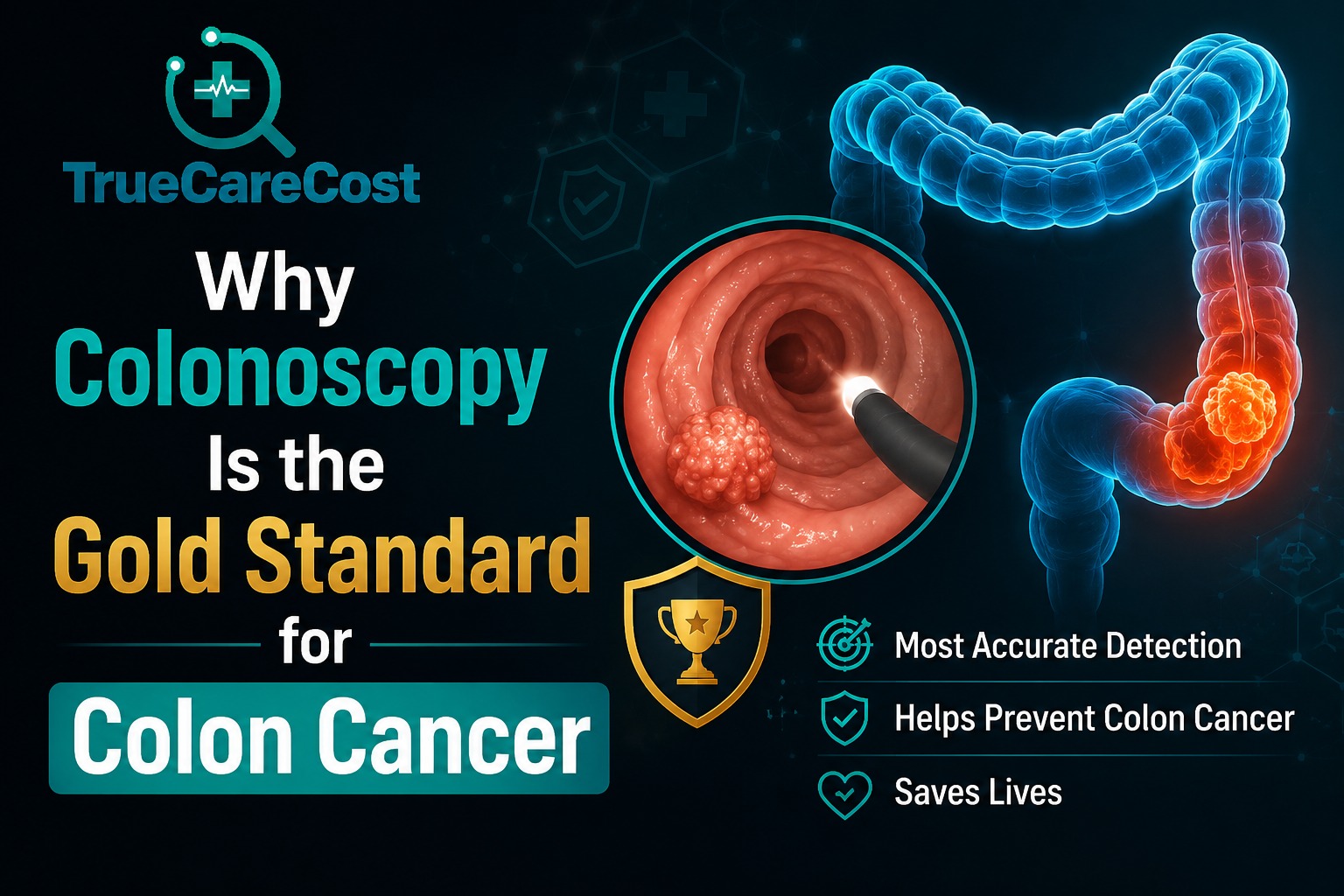
Colon cancer is one of the most preventable forms of cancer when detected early. Yet many people delay screening because they feel healthy, are worried about the procedure, or believe it is only necessary for older adults. The truth is that colon cancer often develops without noticeable symptoms in its early stages, making routine screening one of the most effective ways to protect your health.
Among all available screening methods, colonoscopy remains the gold standard for early colon cancer detection and prevention. Unlike tests that can only identify signs of cancer, a colonoscopy allows doctors to detect abnormal growths known as polyps and remove them before they become cancerous. This unique ability makes it both a diagnostic and preventive procedure.
In this guide, you'll learn why colonoscopy is considered the most reliable screening method, who should undergo screening, how the procedure works, and how early detection can significantly improve treatment outcomes.
What Is a Colonoscopy?
A colonoscopy is a medical procedure that enables a gastroenterologist to examine the lining of the rectum and the entire colon using a thin, flexible tube equipped with a high-definition camera.
During the examination, the doctor can:
- Detect precancerous polyps
- Identify early-stage colorectal cancer
- Diagnose inflammation and ulcers
- Evaluate unexplained gastrointestinal symptoms
- Take tissue samples (biopsies) for laboratory analysis
- Remove suspicious polyps during the same procedure
Because abnormalities can be detected and treated immediately, colonoscopy offers advantages that many other screening tests cannot.
Why Is Colonoscopy Considered the Gold Standard?
1. It Detects Cancer Before Symptoms Develop
Early-stage colon cancer often causes no symptoms. Many patients feel completely healthy while cancer or precancerous polyps continue to grow silently.
Routine colonoscopy allows doctors to identify these changes long before symptoms appear, giving patients the best opportunity for successful treatment.
2. It Prevents Colon Cancer
One of the greatest advantages of colonoscopy is prevention.
During the examination, doctors can safely remove polyps before they develop into cancer. Since many colorectal cancers begin as polyps, removing them significantly reduces future cancer risk.
This preventive capability makes colonoscopy different from many other screening tests.
3. It Examines the Entire Colon
Unlike some screening methods that evaluate only parts of the digestive tract or detect hidden blood, colonoscopy provides a complete view of the entire large intestine.
This comprehensive examination helps identify:
- Small polyps
- Large polyps
- Early cancers
- Inflammation
- Bleeding sources
- Structural abnormalities
4. High Diagnostic Accuracy
Colonoscopy has one of the highest accuracy rates among colon cancer screening methods.
Doctors can identify even very small abnormalities that may be missed by less sensitive screening tests.
Its combination of direct visualization and immediate intervention contributes to its excellent diagnostic performance.
5. Diagnosis and Treatment in One Procedure
If a suspicious polyp is discovered, it can usually be removed immediately without scheduling another procedure.
This saves time, reduces patient anxiety, and helps prevent disease progression.
How Does Colonoscopy Help Prevent Colon Cancer?
Most colorectal cancers develop gradually over several years.
The typical progression follows this pattern:
Healthy colon lining → Small polyp → Larger polyp → Precancerous changes → Colon cancer
A colonoscopy interrupts this process by identifying and removing polyps before they become malignant.
This is why routine screening is considered one of the most effective strategies for reducing colon cancer incidence.
Who Should Get a Colonoscopy?
Your healthcare provider may recommend a colonoscopy based on your age, symptoms, or personal risk factors.
Average-Risk Adults
Most medical guidelines recommend beginning routine colorectal cancer screening at 45 years of age for individuals at average risk.
Earlier screening may be needed if you have:
- A family history of colorectal cancer
- Previous colon polyps
- Inflammatory bowel disease
- Certain hereditary conditions
- A history of colorectal cancer
Your doctor will determine the most appropriate screening schedule based on your medical history.
Symptoms That May Require a Colonoscopy
Although screening should not wait until symptoms develop, certain warning signs deserve prompt medical evaluation.
These include:
- Blood in the stool
- Persistent abdominal pain
- Ongoing constipation or diarrhea
- Unexplained weight loss
- Iron-deficiency anemia
- Persistent fatigue
- Changes in bowel habits lasting several weeks
These symptoms can have many causes, and a colonoscopy helps determine the underlying reason.
What Happens During the Procedure?
Many patients are surprised to learn that the procedure is generally comfortable because sedation is commonly used.
Before the Procedure
- Follow a clear liquid diet as instructed.
- Take bowel preparation medication.
- Arrive with someone to accompany you home.
During the Procedure
- Sedation is administered.
- The colonoscope is gently inserted.
- The doctor examines the colon carefully.
- Polyps can be removed if found.
- Biopsies may be taken when necessary.
The examination usually takes 20–45 minutes, depending on individual findings.
Recovery After a Colonoscopy
Recovery is generally straightforward.
Most patients:
- Return home the same day.
- Experience mild bloating that resolves quickly.
- Resume eating according to medical advice.
- Return to normal activities the following day.
If polyps are removed, your doctor may provide additional instructions regarding activity and diet.
Colonoscopy vs Other Colon Cancer Screening Tests
| Screening Test | Detects Cancer | Detects Polyps | Can Remove Polyps |
|---|---|---|---|
| Colonoscopy | ✔ | ✔ | ✔ |
| FIT (Stool Test) | ✔ | Limited | ✘ |
| CT Colonography | ✔ | ✔ | ✘ |
If another screening test produces an abnormal result, a colonoscopy is generally required for confirmation and treatment.
Benefits of Regular Colonoscopy Screening
- Detects colon cancer at an earlier, more treatable stage.
- Removes precancerous polyps before cancer develops.
- Provides a comprehensive examination of the colon.
- Reduces the risk of advanced colorectal cancer.
- May lower the likelihood of colon cancer-related death.
- Offers both diagnosis and treatment during one procedure.
Is Colonoscopy Safe?
Colonoscopy is widely regarded as a safe procedure when performed by trained and experienced specialists.
As with any medical procedure, there are potential risks, including bleeding or bowel perforation, but these complications are uncommon. Your healthcare provider will explain the benefits and potential risks based on your individual health status before the procedure.
Tips to Reduce Your Risk of Colon Cancer
- Eat a diet rich in fruits, vegetables, and whole grains.
- Limit processed and red meats.
- Stay physically active.
- Maintain a healthy body weight.
- Avoid smoking.
- Limit alcohol consumption.
- Follow your recommended screening schedule.
FAQs
Is a colonoscopy painful?
Most people receive sedation and report little to no discomfort during the procedure.
How often should I have a colonoscopy?
For many adults at average risk with normal findings, screening is often recommended every 10 years. Your healthcare provider may recommend a different interval depending on your personal risk factors and previous results.
Can colonoscopy detect diseases other than colon cancer?
Yes. A colonoscopy can help diagnose conditions such as inflammatory bowel disease, diverticular disease, intestinal bleeding, and colon polyps.
What if polyps are found?
Most polyps can be removed during the procedure and sent for laboratory evaluation. Removing polyps helps reduce the risk of colorectal cancer developing in the future.
Can younger adults need a colonoscopy?
Yes. People younger than 45 may require screening if they have symptoms, a strong family history, certain inherited conditions, or other medical risk factors.
Final Thoughts
Colonoscopy continues to be the gold standard for early colon cancer detection and prevention because it does more than identify disease; it can help stop cancer before it starts by detecting and removing precancerous polyps.
For adults at average risk, beginning screening at the recommended age and following your healthcare provider's advice can significantly improve the chances of early detection. Individuals with symptoms or higher-risk medical histories may need screening earlier or more frequently.
If you have concerns about your digestive health or are due for colorectal cancer screening, consult a qualified gastroenterologist. Personalized medical guidance and timely screening remain the most effective steps toward protecting your long-term health.